The Real Worship Wars

One thing that seems to be a continual point of contention among the church is what type of music we sing. Everyone, whether they are musical or not, seems to be the expert critic who can instinctively tell when people are putting on a show or if they are truly worshipping God. But how often are those people the ones who are putting on a show by distracting others from their worship of God with their stoic bodies and frowns on their faces? How many of us need to fight the worship war inside our own heart instead the the “war” of which music we prefer? Ultimately this idea of a “worship war” should be such a foreign concept to the church who is called to live in unity (Ephesians 4, Philippians 2, John 13:35). Relevant magazine has a great article about these worship wars we should be waging and says,

Worship is war. But it is not to be fought over our own preferences. We must turn our energy towards killing the selective, prideful nature within us. We must fight to put to death anything in us that would hinder us from pursuing Christ with all we are. We must fight to worship him with a joyful adoration that cannot be contained.

What things do you need to make war against in order to, “by the name of our Lord Jesus Christ, that all of you agree, and that there be no divisions among you, but that you be united in the same mind and the same judgment”?

August – The Month of Music

This past month has featured the releases of some fantastic new music, including a brand new band! So here are my 4 favorite albums that released this month with a brief review of each of them, and no, John Mayer did not crack the list, I’m not sure if I want to get it yet, I’ll probably end up listening to it on Spotify at some point.

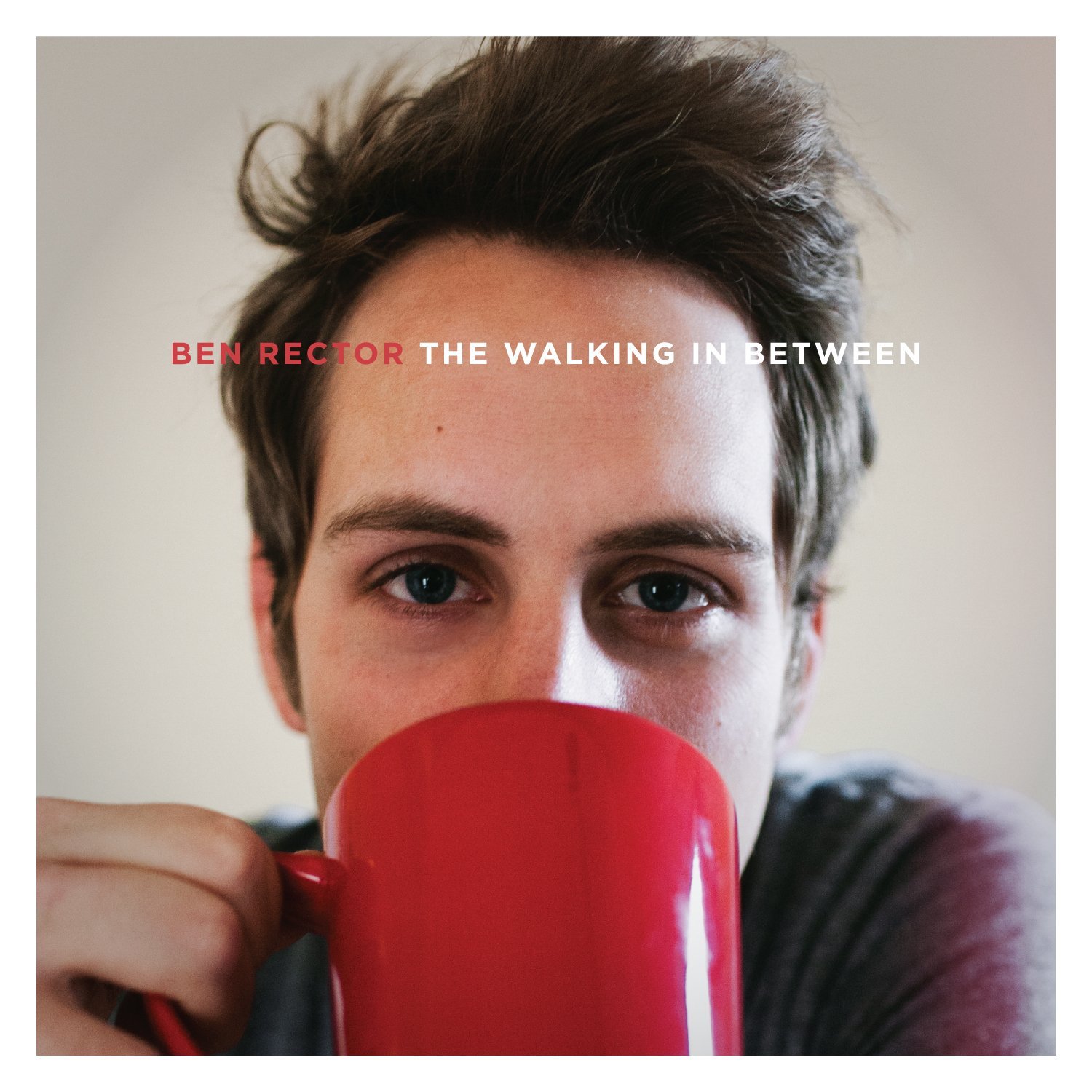
Ben Rector – The Walking In Between

Ben RectorBen Rector has been one of my favorites for a few years now. My sister introduced me to him back in 2010 because he was coming to her college and I happened to be visiting the weekend he was playing there. His music continues to get better with each album, and this one was another great one. My favorite song from this album is “Sailboat” but there isn’t a song on the album that I ever skip. In a recent tweet I asked him what the main inspiration for this album was, he said, “I’d probably say getting to catch a dream I’d chased and not being as happy as I thought I’d be.” This is aptly summed up in his song “I Like You.”

“there are way too many love songs, and I think they’ve got it all wrong, ‘cause life is not the mountain tops, it’s the walking in between, and I like you walking next to me.” All in all, this is another fantastic album that has been on repeat since it came out last week.

Andrew Belle – Black Bear

Andrew BelleMy second favorite album this month came from a fellow Taylor University alum who has had songs appear on numerous television shows and was named the Best Break Out Artist in Chicago by MTV in 2009. Andrew’s sophomore shows a slight change in genre with hints of M83 thrown in for good measure. Instead of focusing on the acoustic guitar, this album leans heavily on the electronic music for it’s base. This album seems to deal with relationship issues that have cropped up.  His first single from this record, “Pieces” says, “There’s too much smoke to see it, there’s too much broke to feel it, I love you, I love you, and all of your pieces.” While I don’t like this album as much as his first release, this is another good one to add to the collection. Another one that I’ve enjoyed listening to regularly since it came out.

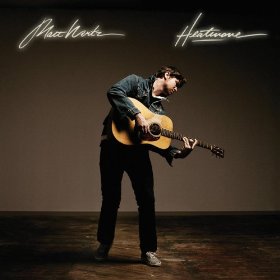
Matt Wertz – Heatwave

Matt WertzI was introduced to Matt Wertz in college (if you couldn’t see a theme here, I really enjoy the singer/songwriters) and his latest album dropped yesterday so I haven’t had as much of a chance to listen to it yet, but it is very different than his previous albums. This album seems to be inspired by classic rock with many more electric guitar solos than his previous albums had, and his most recent music video hints to this 80s influence as well. The video is worth watching just for the dance off between Matt and Ben Rector! So while this albums is very different than the previous ones, I’ve enjoyed what I’ve heard so far.


The Digital Age – Evening & Morning

The Digital AgeThe final album in my top 4 albums this month is not from a singer/songwriter, but from The David Crowder Band minus David Crowder. The four remaining members went on to found a recording studio and a new band who have taken a different sound than the David Crowder Band did. This album has some fantastic guitar parts and some great harmonies. I’m not sure how the songs would do singing in a church setting, but I may try a few out here to see how they work. I’ve loved using it as a personal worship album as I drive to work in the mornings.


What a great month for new music! Just in time for the school year to start and even a new band! What are your favorite albums from this summer?

Responding to An Open Letter to Praise Bands

I came across a blog today titled, ‘An Open Letter to Praise Bands,’ written by James K.A. Smith, a professor at Calvin College. In his blog he lists 3 problems he sees with worship music in churches today, and they are:

  1. If we, the congregation, can’t hear ourselves, it’s not worship.
  2. If we, the congregation, can’t sing along, it’s not worship.
  3. If you, the praise band, are the center of attention, it’s not worship.

While I wholeheartedly agree with his statements on worship, there is some refining of them I would like to see, as someone who leads worship. I completely agree with his first statement, you shouldn’t need ear plugs at a church. If the congregation can’t hear themselves it encourages people to become much more focused on themselves than the body around them, who they are there to encourage through their singing (Ephesians 5:19).

The second point I also agree with, but would refine some. Different congregations have different styles of music they prefer to do. Now, with the internet, when you go to most churches today, you’ll typically recognize a couple of the songs, but every church has their own unique gifts and styles, especially in urban contexts. One church I went to did old Gospel songs that I didn’t recognize, but everyone else in the church loved! Another place I’ve been used rap as worship for a couple songs. The other issue I have with this is some of the push back I’ve gotten from elderly people where I serve. Some of the older people will use this as an excuse to not sing some of the songs on a Sunday. I would encourage people to listen to the songs we sing on Sundays outside of Sunday so they can sing along. And finally, introducing a new song can often be difficult for people to grasp, so I will often sing a verse and chorus so people can figure out a song, then repeat it and encourage the congregation to sing along.

Finally, the third point is the one I would most refine. Part of the reason I like to lead from the front so people can see me is so that they can know when their supposed to be singing. It’s always awkward when there’s one person with an especially loud voice who doesn’t know when the next verse starts, so they jump right in then sheepishly look around. Yes, I do want to model what it looks like to worship through music, but I also want to show the congregation when they are supposed to sing along. One of the things that I think is incredible helpful for this issue is to make sure what is being said is focused on God. This can be done by including pertinent Scripture passages during musical interludes, or having someone use that time to praise an attribute of God that the song talks about.

Honestly, it is very hard to not make it about myself and try to use music as a way for me to build myself up, so I pray before every service that I make God’s name great, and pray the same prayer of John the Baptist, “He must increase, I must decrease.” I want to model to the congregation what it means to worship, but then apply that worship to my whole life as I conform myself into the image of God’s Son, Jesus.

“You cannot find excellent corporate worship until you stop trying to find excellent corporate worship and pursue God Himself.”

-D.A. Carson

Once And For All

Passion is a wonderful conference that has exploded in recent years. Fueled by speakers like Louie Giglio and John Piper and music by Chris Tomlin and Matt Redman, people flock to this conference by the tens of thousands. I have a few friends that have gone to this conference in the past, and every year I buy the CD to hear some of the new songs that will be big in churches the following year. This year was no different-a wonderful conference with great music. I bought the CD the day it came out, and have begun doing some of the songs at the church in which I help lead music. One of my favorite songs from the album was ‘Once and For All’ done by Chris Tomlin. This past week, I was sent an e-mail with a discussion about some of the wording in the song, and led to this blog on the song. The lyrics in question are the first ones in the chorus “We believe our God is Jesus.” One of the most difficult concepts within Christianity is the idea that God is three persons yet one God, Father, Son and Holy Spirit. If this line is true, then Jesus is the only person of the Godhead who is God. Wording in the songs we sing matters!

This is similar to a song I used to love in middle school by John Reuben titled ‘God Is Love.’ The chorus says, “Love is God and God is love.” Yes, God is love (1 John 4:8), but love is NOT God. Describing God as only love puts limits on many of his other characteristics.

So what do we do with a song like ‘Once and For All’ when the rest of the lyrics are theologically sound and speak to the truth of what Jesus has done on our behalf? The writer of the blog I pointed you to earlier suggested changing the words to “We believe our King is Jesus,” which I agree would be a big improvement on the song, and would keep the song theologically true. I continue to be grateful for the gift of Chris Tomlin and hope to sing this song soon at church, with the edited words.

Doxology & Theology Review

I just finished reading a new book edited by Matt Boswell titled Doxology & Theology: How the Gospel Forms the Worship Leader. Throughout my life I’ve read a number of books on how to be a biblical worship leader, and have regularly felt like I have a good grasp on what the Bible says about leading worship, but this book stretched me in some very good ways and in some ways that were very uncomfortable for me.

This book was written by a number of different worship leaders from many different churches across the country (interestingly, they all seem to be from larger churches). In the first couple chapters I thought it was going to be just like a number of other books I’ve read on worship, but then I got to the third chapter, “The Worship Leader and Scripture” and realized this book was much more personal than the ones I’ve read before. In the introduction to this chapter, Michael Bleeker writes, “Our churches are filled with uninformed worshippers.” From here on out in the book I was forced to deal with many of my faults in my leading the worship through music at my local church. As soon as I got to the third chapter I thought, “well this will be the highlight of the book for me,” but then I would read the next chapter and think the same thing!

The most difficult chapter for me to read was ‘The Worship Leader and Justice,’ by Aaron Ivey. Social justice has become something of a hot topic in America and is something I personally have struggled doing. How do I pursue social justice when I live in a primarily white smaller city in Wyoming? I know the command in Micah 6:8, “What does the Lord require of you but to do justice, and to love kindness, and to walk humbly with your God.” How can I become involved in this justice that God requires of me? I’m going to be working through the implications of this chapter for a while.

For anyone that is involved in the leading of worship through music at a church, this book is a very helpful resource for personal growth and reflection. I would add it to your library and read through it with your senior pastor to help you become a stronger Christian and better equipped worship leader.

“Love Jesus. And don’t be afraid to show people that you love Him. It will help them love Him more.”

Zion – Hillsong United

One of the things about being a musician and leading the worship through music at a church is that many of the songs start to sound the same. There was a funny video put on youtube that is incredible true: How to Write a Worship Song in 5 Minutes or Less. All it takes is 4 chords and some popular “catch phrases” that people like to sing. Is this enough? As I’ve said before, I’m tired of Christians writing bad music, and the popular worship music that has been written recently has all started to sound the same. Yes, the words are good and I think many of the songs are very good songs, but I’ve been hoping and waiting for a little innovation. Enter: Hillsong United with their new CD Zion. This is the exact kind of worship CD I’ve been wanting to write!

I was first introduced to Hillsong United after my senior year of high school with the song “Mighty to Save” which I still do regularly at my church. I think Hillsong has tended to be on the front lines of worship music. We’ve gotten used to the music at church being: an acoustic guitar, an electric guitar, piano, keyboard, bass, drums and a couple singers. I think Hillsong is starting to push back to that a little on this album. Someone on my facebook commented that it sounds like a mix of Passion Pit and Mumford & Sons. The Passion Pit comparison I can see, but not so much the Mumford & Sons one (side note: for a good Mumford & Sons comparison, listen to Rend Collective Experiment, another one of my recent favorite worship bands). Sure the guitars and pianos and drums are still there, but the main focus musically has been shifted to the electronics, which I think is a good change. In my first listening, my favorite songs are: Relentless, Oceans, Scandal of Grace, and Mercy Mercy. This CD is a must buy for those who are tired of hearing the same songs used for worship. Get the Deluxe Version too-the remixes are fun to listen to.

“Christian” Music

I so often struggle with “Christian” music. I grew up at a time where “good” Christians only listened to music by Christians, and one of the first CDs I ever got was ‘Jesus Freak’ by DC Talk. I still really enjoy that CD, and still regularly hear the title track on the radio…it came out in 1995. If I listen to non Christian radio I’ll hear the top tracks from today, yet the “most current” Christian radio station still plays songs from when I was 7. If that’s the best Christian music has to offer, we’re doing something wrong.

1 Corinthians 10:31 tells us that everything we do should be done to God’s glory, which means we should do the best we can for him. I think this applies to music as well! Christians should be on the forefront of musical trends and setting the example for others for how to do music well! Yet too often I see Christians copying whatever the latest trend is (Eminem gets popular, and we get KJ-52, Black Eyed Peas get big and we get Group 1 Crew). Granted, there are some people, like Lecrae, who are on the forefront of their musical genre and using it as an opportunity to spread hope, but overall we seem to be stuck in a rut musically.

This isn’t something I have a quick and easy fix for how we can get better music, and I’m still working through all the ramifications of this as well. But my overall sense is that Christians are greatly failing in so many areas to do things to the best of their ability. I’m honestly tired of the charts that compare “secular” artists to “Christian” artists – if the music is good, listen to it and use it as an opportunity to talk about different worldviews.

The Writer – Ellie Goulding

I have quite an extensive musical library ranging from top-40 to classical, from Christian to pagan and everything in between. I’m continually looking for new artists who are incredibly gifted and are enjoyable to listen to. One of the people who got really big this past year was Ellie Goulding with the song ‘Lights‘ it was a very interesting song with interesting rhythms and I still can’t really figure out what the songs about. I bought her CD based on that one song (in one of Amazon’s deals) and stumbled across the song ‘The Writer‘ The chorus of the song really struck me:

Why don’t you be the artist, and make me out of clay?

Why don’t you be the writer, and decide the words I say?

‘Cause I’d rather pretend I’ll still be there at the end

Only it’s too hard to ask, won’t you try to help me?

I don’t know if Ellie is a believer or not, and looking at the verses of the song, it ends up being about a relationship with a guy. But I couldn’t help but see how it points right to God, the great artist who created the whole world. In Jeremiah 18, we see God describing to Jeremiah his relationship to his people, who are clay. Whether Ellie is a Christian or not, I am grateful for the reminder today that God is the potter, and I am the clay. Who am I to question him or complain that I am the wrong shape?

Worship Matters Part 2

Continuing my series from last week, here’s my study guide on chapters 4 and 5 in Worship Matters.

Worship Matters – Chapters 5, 6

Chapter 4 – My Hands: What Do I Practice?

  • “Rightly understood and pursued, skill can mark the difference between ineffectiveness and fruitfulness in our leading. It can contribute to, or hinder people from, engaging with God. That’s why we should make it a priority.” (34)

We are called to do everything to the best of our ability. How can you grow in the abilities God has given you? How can we encourage each other as a team to grow in our abilities?

Five Things to Remember About Skill:

  1. Skill is a Gift from God, for his Glory

See 1 Corinthians 4:7

“All gifts are from God, are intended to direct our attention to God and create fresh affection for God.” (34)

  1. Skill Must Be Developed

See 1 Chronicles 25:7

What are some ways you can develop the skills you’ve been given?

  1. Skill Doesn’t Make Worship More Acceptable Before God

See 1 Peter 2:5

Skill isn’t all God is looking for, but combined with a broken and contrite heart (Psalm 51:17) we can better worship our Creator.

  1. Skill Should Be Evaluated By Others

We are often blind to our own areas of weakness. How can we help critique each other?

  1. Skill Is Not an End in Itself

“God wants us to realize that the point of our practice isn’t to receive the praise of others. It’s to bring him glory.” (36)

What Skill Helps Us to Do

  1. Skill Helps Us Focus on God

“My lack of skill can tempt people to be distracted, confused, and potentially irritated. I might be worshipping God, but I’m not doing all I can to help everyone else join me.” (37)

If we’re continually messing up it’s going to hinder people from truly worshipping God. I know mistakes will happen, but that’s why we need to practice to help minimize the distractions for ourselves and the body.

  1. Skill Helps Us Serve the Church
  2. Skill Multiplies Serving Opportunities

What are some areas you could possibly grow in or learn to better serve both the music team and the body?

Skills to Develop

  • “John Piper calls the right balance “undistracted excellence,” It’s a proficiency that doesn’t draw attention to itself but rather points way from itself.” (38)

Are there any ways we draw attention to ourselves instead of God? What are some ways you can think of that would draw attention to oneself?


  1. Leadership

All of us are leaders, just because I’m the one directing the songs doesn’t make me any more important than you. We’re even in front of the people just as long as the preaching pastor. What/who are you leading the people to?

  1. Musicianship

“Probably the most challenging part of good musical taste is knowing what to leave out.” (39)

What are some things you could leave out in your leading? What are some things we could do to simplify?

  1. Communication

How can we better communicate to the body the goal and purpose of our worship through music?

  1. Technology

As we grow in this area it may become more important (i.e., Planning Center Online)

  • “The important thing to recognize is that leading the church  to worship God requires more than a sincere hear and good intentions. It requires skill. And that involves work, time and preparation.” (41)

Do you need to invest more time to get better at leading God’s people through music?

Chapter 5 – My Life: What Do I Model?

  • “Everything we do should be governed by one goal – to see Jesus Christ praised, exalted, magnified, lifted up, and obeyed. . . People are watching us as well. Not just on Sunday morning, but throughout the week.” (44)

How well do you lead those you spend time with during the week (family, friends, co-workers, neighbors, etc)?

  • 1 Timothy 4:12 isn’t just a commendation to the young, but something all believers should strive for. Especially those who are in a visible leadership position. We should be setting an example for the believers in speech, conduct, love, faith and purity. Which of these areas is hardest for you to set an example in? Which area do you, through God’s grace, do well in leading?

Worship Matters Study Part 1

Starting tonight I’ll be leading the music team at the church I pastor through the book Worship Matters: Leading Others to Encounter the Greatness of God by Bob Kauflin. It’s the most helpful book I’ve read about leading worship through music at churches today. I’ll be posting the study guides I’ve put together as we go through them, this being the first one. I hope you find it helpful.

Worship Matters – Chapters 1, 2, 3

Chapter 1 – The Important Things

  • “After thirty years of leading worship, I’ve realized that worship isn’t just an opportunity to use my musical gifts. It’s more than a heightened emotional experience or a way to make a living. It’s way more than what we do on Sunday morning.

“Worship is about what we love. What we live for.

“It’s about who we are before God.” (17)

How are some practical ways we can model this to the congregation?

  • “Worship matters. It matter to God because he is the one ultimately worthy of all worship. It matters to us because worshipping God is the reason for which we were created. And it matters to every worship leader, because we have no greater privilege than leading others to encounter the greatness of God. . . And if you don’t feel adequate for the task . . . you’re in the perfect place for God to use you.” (19)

What about those of us who do feel adequate for the task? How can we keep our pride in check to give God the glory instead of focusing on our gifts?

Chapter 2 – My Heart: What Do I Love?

  • “Your greatest challenge is what you yourself bring to the platform each and every Sunday. Your heart.” (21)

What are some idols in your life that you need to check yourself on before you lead God’s people in worship? In my experience, musicians have a tendency to revel in their own gifts and abilities, have you found this to be true with your musical gifts?

  • “If you were really hopeless, you’d stop trusting in yourself and what you can do and start trusting in what Jesus accomplished for you at the cross.” (24)

“I didn’t think of myself as a very great sinner. Which meant I didn’t need a very great Savior.” (25)

It’s only when we see ourselves in light of the perfection of Christ that we are truly able to worship God. Do you see yourself as a great sinner? Martin Luther said,

“If you are a preacher of Grace, then preach a true, not a fictitious grace; if grace is true, you must bear a true and not a fictitious sin. God does not save people who are only fictitious sinners. Be a sinner and sin boldly, but believe and rejoice in Christ even more boldly. For he is victorious over sin, death, and the world. As long as we are here we have to sin. This life in not the dwelling place of righteousness but, as Peter says, we look for a new heavens and a new earth in which righteousness dwells. . . . Pray boldly-you too are a mighty sinner.”

What does it mean to “sin boldly”?

  • “While it’s simplistic to say that worship is love, it’s a fact that what we love most will determine what we genuinely worship.” (25)

What do you love? God wants us to love him more than anything else, and only when we love him that way can we love others. The love for him will spill over into our other relationships. What are some ways that you need to love Him more fully?

  • “It is therefore a matter of infinite importance, to have the whole heart engaged steadfastly for God.” (26)

Chapter 3 – My Mind: What Do I Believe

  • “The better (i.e., the more accurately) we know God through his Word, the more genuine our worship will be. . . Regardless of what we think or feel, there is no authentic worship of God without a right knowledge of God.” (28)

Do you desire to know God more fully? How often do you read your Bible? I’ve heard it said that many people have enough dust on their Bibles to write their own name in condemnation on it, and a Bible that is worn out is read by someone who isn’t. How much of a priority is there for the Bible in your life? (If you want some supplemental books in addition to the Bible talk to me about it!)

  • Misconception #1: Studying This Stuff Should Be So Hard (29(

See Luke 10:27 – notice all the areas we are to use to love the Lord

  • Misconception #2: We Know God Better Through Music Than Through Words

“Being moved emotionally is different from being changed spiritually. Music affects and helps us in many ways, but it doesn’t replace truth about God.” (30)

  • Misconception #3: Theology and Doctrine Cause Problems

“Theology and doctrine make life simpler. They protect us from reading verses out of context, restricting our diet to our favorite passages, and making decisions based on impulse rather than truth.” (31)

  • “If our doctrine is accurate but our hearts are cold toward God himself, our corporate worship will be true but lifeless. Or if we express fervent love for God but present vague, inaccurate, or incomplete ideas of him to those we’re leading, our worship will be emotional but misleading – and possibly idolatrous. Neither option brings God glory.” (32)

Which way does our church body tend to lean toward? What do we need to do to correct this error?